Buy wellnessmassage.eu ?
We are moving the project
wellnessmassage.eu .
Are you interested in purchasing the domain
wellnessmassage.eu ?
domain@kv-gmbh.de · 0541-91531010
Buy wellnessmassage.eu ?
What is the difference between tensile stress and tensile strength?
Tensile stress is the internal resisting force per unit area within a material when subjected to a stretching force, while tensile strength is the maximum stress a material can withstand before breaking. In other words, tensile stress is the force applied to a material, while tensile strength is the material's ability to resist that force before failure. Tensile stress is a measure of the force distributed over a specific area, whereas tensile strength is a measure of the material's ability to withstand that force without breaking. **
What is the explanation for compressive stress and tensile stress?
Compressive stress occurs when a material is being pushed or squeezed, causing it to become shorter in length. This type of stress is caused by forces acting to compress the material. Tensile stress, on the other hand, occurs when a material is being pulled or stretched, causing it to become longer in length. This type of stress is caused by forces acting to stretch the material. Both compressive and tensile stress are important factors in understanding the behavior of materials under different types of loading conditions. **

Similar search terms for Tensile
Top-Angebote
Products related to Tensile:
-
JoyToys Slow Rebound Stress Ball Sensory Fidget Toy For Anxiety Relief & Everyday Relaxation Slow Rebound Stress Ball Sensory Fidget Toy For Anxiety Relief & Everyday RelaxationTake a break from daily stress with a soothing squeeze that helps you reset and refocus. This stress ball is a soft, slowrising sensory fidget toy designed for kids, teens, and adults who enjoy calming tactile stimulation. Its unique waxlike texture...29,97 $*Shipping: 0,00 $Secure redirect to the provider
-
JoyToys OceanCube Stress Ball Slow Rise Sensory Fidget Toy For Anxiety Relief & Relaxation OceanCube Stress Ball Slow Rise Sensory Fidget Toy For Anxiety Relief & RelaxationTake a calming break anytime your day feels overwhelming with the OceanCube stress ball. Designed for kids, teens, and adults, this soothing sensory fidget toy features a beautiful oceaninspired design with floating seashell details that make every...29,97 $*Shipping: 0,00 $Secure redirect to the provider
-
JoyToys Jumbo Banana Squishy Toy Slow Rising Stress Relief Sensory Fidget For Relaxation Jumbo Banana Squishy Toy Slow Rising Stress Relief Sensory Fidget For RelaxationTurn everyday stress into satisfying relaxation with this irresistibly soft banana squishy toy. Designed for teens and adults who enjoy calming sensory play, this oversized slow rising squishy delivers a soothing squeeze that slowly returns to its...29,97 $*Shipping: 0,00 $Secure redirect to the provider
-
JoyToys Butter Feel Stress Ball Sensory Fidget Toy For Anxiety Relief And Relaxation Butter Feel Stress Ball Sensory Fidget Toy For Anxiety Relief And RelaxationExperience instant calm with a uniquely soft, butterlike squeeze that melts away everyday tension. This handmade Stress Ball is designed for students, professionals, and anyone who enjoys satisfying sensory play or needs a quick mental reset. Its...29,97 $*Shipping: 0,00 $Secure redirect to the provider


-
What is the normal tensile stress cracking ratio?
The normal tensile stress cracking ratio, also known as the environmental stress cracking resistance (ESCR), is a measure of a material's resistance to cracking when subjected to tensile stress in the presence of specific environmental agents such as chemicals or solvents. The ratio is typically expressed as the number of hours a material can withstand stress without cracking when exposed to the specific environment. Different materials have different ESCR values, and it is an important factor to consider when selecting materials for applications where they may be exposed to harsh environments. **
-
What happens with the tensile stress in plastics?
Tensile stress in plastics causes the material to elongate or deform. When a tensile force is applied to a plastic material, the molecules within the material start to align in the direction of the force, causing the material to stretch. If the stress is too high, the plastic will eventually reach its breaking point and fracture. This behavior is important to consider when designing plastic components for applications where they will be subjected to tensile forces. **
-
How do you calculate the tensile stress of a screw?
To calculate the tensile stress of a screw, you would need to know the force applied to the screw and the cross-sectional area of the screw. The formula for tensile stress is stress = force/area. The force applied to the screw can be determined by the load or tension applied to the screw, and the cross-sectional area can be calculated using the formula for the area of a circle (A = πr^2) if the screw is cylindrical. Once you have these values, you can plug them into the formula to calculate the tensile stress of the screw. **
-
What is the difference between compressive stress and tensile stress in concrete engineering?
Compressive stress in concrete engineering refers to the force that tends to crush or compact the material, while tensile stress refers to the force that tends to pull or stretch the material apart. In concrete, compressive stress is typically the dominant type of stress, as concrete is much stronger in compression than in tension. Tensile stress can lead to cracking and failure in concrete structures, which is why reinforcement such as steel bars are often used to counteract this type of stress. **
'Pressure or Tensile Force?'
Pressure is a force applied perpendicular to the surface of an object, causing compression or squeezing. Tensile force, on the other hand, is a force applied to stretch or pull an object. The main difference between the two is the direction of the force applied - pressure is applied perpendicular to the surface, while tensile force is applied parallel to the surface. Both forces can cause deformation in materials, but in different ways. **
How do you calculate the tensile stress with Re and V?
Tensile stress can be calculated using the formula: Tensile stress (σ) = Force (F) / Cross-sectional area (A). To calculate the force (F), you can use the formula: Force (F) = Re * V, where Re is the tensile strength and V is the volume. Once you have the force, you can then calculate the tensile stress by dividing the force by the cross-sectional area of the material. **
Top-Angebote
Products related to Tensile:
-
DynamicDeals Slow Rebound Mochi Squishy Toy For Stress Relief And Sensory Relaxation Slow Rebound Mochi Squishy Toy For Stress Relief And Sensory RelaxationTurn restless moments into calming relief with this irresistibly soft stress relief toy designed to soothe your hands and mind. Made with a slowrebound squishy texture, this compact fidget companion is perfect for kids, teens, and adults who need a...31,97 $*Shipping: 0,00 $Secure redirect to the provider
-
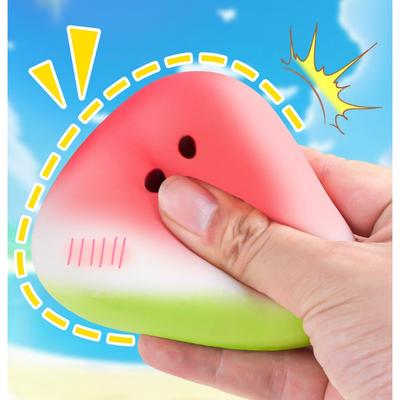
DynamicDeals Watermelon Slow Rising Squishy Stress Relief Toy For Anxiety, Focus & Sensory Relaxation Watermelon Slow Rising Squishy Stress Relief Toy For Anxiety, Focus & Sensory RelaxationTurn stressful moments into satisfying squeezes with this slow rising squishy designed to help you relax, refocus, and unwind. Shaped like a cheerful watermelon slice, this soft sensory toy delivers a calming squeezeandrelease experience for...34,97 $*Shipping: 0,00 $Secure redirect to the provider
-
JoyToys Slow Rebound Stress Ball Sensory Fidget Toy For Anxiety Relief & Everyday Relaxation Slow Rebound Stress Ball Sensory Fidget Toy For Anxiety Relief & Everyday RelaxationTake a break from daily stress with a soothing squeeze that helps you reset and refocus. This stress ball is a soft, slowrising sensory fidget toy designed for kids, teens, and adults who enjoy calming tactile stimulation. Its unique waxlike texture...29,97 $*Shipping: 0,00 $Secure redirect to the provider
-
JoyToys OceanCube Stress Ball Slow Rise Sensory Fidget Toy For Anxiety Relief & Relaxation OceanCube Stress Ball Slow Rise Sensory Fidget Toy For Anxiety Relief & RelaxationTake a calming break anytime your day feels overwhelming with the OceanCube stress ball. Designed for kids, teens, and adults, this soothing sensory fidget toy features a beautiful oceaninspired design with floating seashell details that make every...29,97 $*Shipping: 0,00 $Secure redirect to the provider
-
What is the difference between tensile stress and tensile strength?
Tensile stress is the internal resisting force per unit area within a material when subjected to a stretching force, while tensile strength is the maximum stress a material can withstand before breaking. In other words, tensile stress is the force applied to a material, while tensile strength is the material's ability to resist that force before failure. Tensile stress is a measure of the force distributed over a specific area, whereas tensile strength is a measure of the material's ability to withstand that force without breaking. **
-
What is the explanation for compressive stress and tensile stress?
Compressive stress occurs when a material is being pushed or squeezed, causing it to become shorter in length. This type of stress is caused by forces acting to compress the material. Tensile stress, on the other hand, occurs when a material is being pulled or stretched, causing it to become longer in length. This type of stress is caused by forces acting to stretch the material. Both compressive and tensile stress are important factors in understanding the behavior of materials under different types of loading conditions. **
-
What is the normal tensile stress cracking ratio?
The normal tensile stress cracking ratio, also known as the environmental stress cracking resistance (ESCR), is a measure of a material's resistance to cracking when subjected to tensile stress in the presence of specific environmental agents such as chemicals or solvents. The ratio is typically expressed as the number of hours a material can withstand stress without cracking when exposed to the specific environment. Different materials have different ESCR values, and it is an important factor to consider when selecting materials for applications where they may be exposed to harsh environments. **
-
What happens with the tensile stress in plastics?
Tensile stress in plastics causes the material to elongate or deform. When a tensile force is applied to a plastic material, the molecules within the material start to align in the direction of the force, causing the material to stretch. If the stress is too high, the plastic will eventually reach its breaking point and fracture. This behavior is important to consider when designing plastic components for applications where they will be subjected to tensile forces. **
Similar search terms for Tensile
-
JoyToys Jumbo Banana Squishy Toy Slow Rising Stress Relief Sensory Fidget For Relaxation Jumbo Banana Squishy Toy Slow Rising Stress Relief Sensory Fidget For RelaxationTurn everyday stress into satisfying relaxation with this irresistibly soft banana squishy toy. Designed for teens and adults who enjoy calming sensory play, this oversized slow rising squishy delivers a soothing squeeze that slowly returns to its...29,97 $*Shipping: 0,00 $Secure redirect to the provider
-
JoyToys Butter Feel Stress Ball Sensory Fidget Toy For Anxiety Relief And Relaxation Butter Feel Stress Ball Sensory Fidget Toy For Anxiety Relief And RelaxationExperience instant calm with a uniquely soft, butterlike squeeze that melts away everyday tension. This handmade Stress Ball is designed for students, professionals, and anyone who enjoys satisfying sensory play or needs a quick mental reset. Its...29,97 $*Shipping: 0,00 $Secure redirect to the provider
-
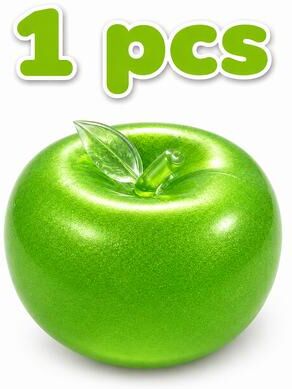
JoyToys Big Apple Stress Ball ASMR Fidget Toy For Stress Relief & Sensory Relaxation greenTurn everyday stress into a calming sensory experience with this Apple stress ball that's as fun to squeeze as it is to display. Designed for kids, teens, and adults, this ASMR fidget toy features a soft outer shell with a unique slushlike filling...34,97 $*Shipping: 0,00 $Secure redirect to the provider
-
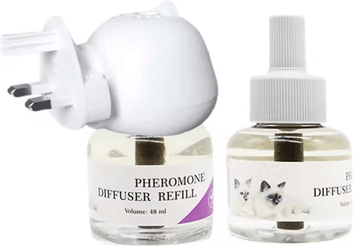
Inspire Curations CalmPaws Cat Pheromone Diffuser For Stress Relief & Relaxation ukCreate a calmer, more peaceful environment for your feline companion with this cat pheromone diffuser designed to help reduce stressrelated behaviors at home. Ideal for nervous, anxious, or easily overstimulated cats, this calming diffuser releases...120,50 $*Shipping: 0,00 $Secure redirect to the provider
-
How do you calculate the tensile stress of a screw?
To calculate the tensile stress of a screw, you would need to know the force applied to the screw and the cross-sectional area of the screw. The formula for tensile stress is stress = force/area. The force applied to the screw can be determined by the load or tension applied to the screw, and the cross-sectional area can be calculated using the formula for the area of a circle (A = πr^2) if the screw is cylindrical. Once you have these values, you can plug them into the formula to calculate the tensile stress of the screw. **
-
What is the difference between compressive stress and tensile stress in concrete engineering?
Compressive stress in concrete engineering refers to the force that tends to crush or compact the material, while tensile stress refers to the force that tends to pull or stretch the material apart. In concrete, compressive stress is typically the dominant type of stress, as concrete is much stronger in compression than in tension. Tensile stress can lead to cracking and failure in concrete structures, which is why reinforcement such as steel bars are often used to counteract this type of stress. **
-
'Pressure or Tensile Force?'
Pressure is a force applied perpendicular to the surface of an object, causing compression or squeezing. Tensile force, on the other hand, is a force applied to stretch or pull an object. The main difference between the two is the direction of the force applied - pressure is applied perpendicular to the surface, while tensile force is applied parallel to the surface. Both forces can cause deformation in materials, but in different ways. **
-
How do you calculate the tensile stress with Re and V?
Tensile stress can be calculated using the formula: Tensile stress (σ) = Force (F) / Cross-sectional area (A). To calculate the force (F), you can use the formula: Force (F) = Re * V, where Re is the tensile strength and V is the volume. Once you have the force, you can then calculate the tensile stress by dividing the force by the cross-sectional area of the material. **
* All prices are inclusive of VAT and, if applicable, plus shipping costs. The offer information is based on the details provided by the respective shop and is updated through automated processes. Real-time updates do not occur, so deviations can occur in individual cases. ** Note: Parts of this content were created by AI.